
Understanding CFD Forex Trading Strategies, Risks, and Opportunities 1675460813

Understanding CFD Forex Trading: Strategies, Risks, and Opportunities
CFD Forex trading offers an innovative way to engage with the financial markets. With the growing popularity of this trading style, it’s essential to understand various aspects that can enhance your trading experience. In this article, we will explore the fundamental concepts of CFD trading, strategies to be successful, the risks involved, and how you can take advantage of the opportunities that arise in the dynamic Forex market. Additionally, we will briefly touch on various trading platforms, including cfd forex trading Trading Broker SA, that provide robust services to engage in CFD Forex trades.
What are CFDs?
Contracts for Difference (CFDs) are financial instruments that allow traders to speculate on the price movements of assets like currencies without actually owning them. In CFD trading, the trader agrees to exchange the difference between the opening and closing price of a contract. If the trader predicts the correct direction of the market (up or down), they can make a profit; otherwise, they incur losses.
The Mechanics of Forex Trading
Forex trading involves the exchange of currencies in pairs, such as EUR/USD or GBP/JPY. The value of one currency is quoted against another, and traders aim to profit from changes in these exchange rates. The Forex market operates 24 hours a day, five days a week, making it accessible for traders around the globe. Leverage is a significant feature of Forex trading, allowing traders to control larger positions with a smaller amount of capital. However, this also amplifies risks, which we will discuss later in this article.
Why Choose CFD Trading Over Traditional Forex Trading?
CFD trading provides several advantages over traditional Forex trading:
- Leverage: CFDs allow for high leverage, giving traders the ability to control a larger position with a comparatively smaller amount of capital.
- Short Selling: CFDs enable traders to speculate on falling prices, making it easier to profit in bearish markets.
- Diversification: Through CFDs, traders can access various assets in addition to currencies, including commodities, stocks, indices, and cryptocurrencies.
- No Ownership of Underlying Assets: Since CFDs are contracts, traders don’t own the underlying asset, which can reduce some logistical and regulatory challenges associated with ownership.
Strategies for Successful CFD Forex Trading
Implementing effective trading strategies is crucial for success in CFD Forex trading. Here are several strategies that traders commonly use:
1. Technical Analysis
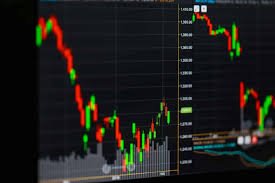
Technical analysis involves analyzing price charts, patterns, and various indicators (like moving averages and RSI). This strategy helps traders make informed decisions based on historical price movements.
2. Fundamental Analysis
This strategy evaluates a country’s economic indicators, interest rates, employment numbers, and geopolitical events that could impact currency values. By understanding the underlying economic context, traders can better predict market movements.
3. Trend Following
Trend followers look for established trends and make trades in the direction of that trend. This strategy relies on the belief that assets in motion will continue to move in the same direction.
4. Risk Management
Regardless of the strategy employed, effective risk management is essential. Traders should always use stop-loss orders to limit potential losses and avoid over-leveraging their accounts.
The Risks of CFD Forex Trading
While CFD Forex trading offers numerous advantages, it is also associated with significant risks:
- Market Risk: Due to the volatile nature of the Forex market, significant price swings can lead to substantial financial losses.
- Leverage Risk: High leverage can magnify losses as well as gains, potentially resulting in losing more than your initial investment.
- Counterparty Risk: Since CFDs are contracts between the trader and the broker, there’s always a risk that the broker may default.
- Regulatory Risks: Different countries have varied regulations regarding CFD trading, which can affect the enforcement of trading agreements.
Choosing the Right Trading Platform
Selecting a reliable trading platform is critical for successful CFD Forex trading. Here are some factors to consider when choosing a broker:
- Regulation: Ensure the broker is regulated by recognized financial authorities for added security.
- Trading Costs: Look for brokers with competitive spreads and low fees to maximize your profits.
- Platform Features: A user-friendly platform with advanced features (charting tools, news feeds, etc.) can enhance your trading experience.
- Customer Support: Reliable customer service can help address any issues that may arise during trading.
Conclusion
CFD Forex trading offers a dynamic and exciting way to engage with the financial markets. While it presents significant opportunities for profitability, it also comes with inherent risks that must be carefully managed. By employing sound trading strategies, conducting thorough analysis, and choosing a reliable trading platform, traders can navigate the complexities of CFD Forex trading effectively. Remember that continual learning and adaptation are key elements in becoming a successful trader in this ever-evolving market.
Leave a Reply