
Comprehensive Guide to Forex Trading Training 1581937969

Mastering Forex Trading: Your Ultimate Training Guide
Forex trading, or foreign exchange trading, is a lucrative investment avenue that attracts millions of aspiring traders worldwide. Whether you are a beginner looking to dip your toes in the forex market or an experienced trader seeking to refine your skills, comprehensive training is crucial for success. In this guide, we will discuss the essential aspects of forex trading training and share valuable resources that will help you navigate the complexities of the forex market effectively. For more insights and helpful materials, check out forex trading training Brokers Argentina.
Understanding the Basics of Forex Trading
Before delving into training, it’s essential to grasp the fundamentals of forex trading. Forex is the global market where currencies are traded 24/5, providing ample opportunities for traders. The market operates through a network of banks, brokers, financial institutions, and individual traders, and is characterized by high liquidity and volatility. It is crucial to familiarize yourself with key terms such as currency pairs, pips, spreads, and lots.
Currency Pairs
In forex trading, currencies are traded in pairs. For example, in the currency pair EUR/USD, the Euro is the base currency, and the US Dollar is the quote currency. Understanding how to read currency pairs and analyze their behavior is vital for any trader.
Pips and Spreads
A pip (percentage in point) is the smallest price movement in forex trading. It is crucial to calculate pips to determine the profit or loss on a trade. The spread is the difference between the bid and ask price, and it can significantly impact your trading costs.
Effective Trading Strategies
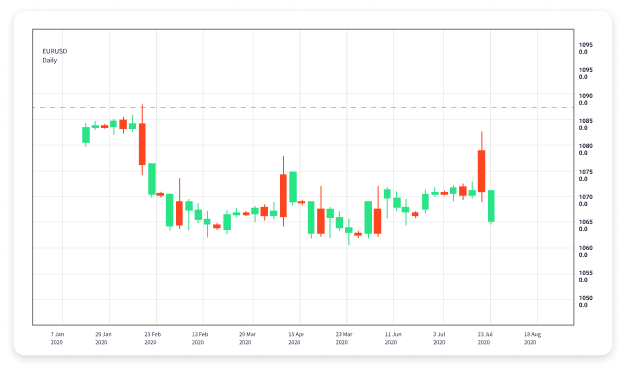
To succeed in forex trading, you need to develop effective trading strategies. Here are some popular strategies that traders often use:
1. Scalping
Scalping involves making numerous small trades throughout the day to accumulate profits. Traders who use this strategy aim for quick gains while managing their risks closely.
2. Day Trading
Day trading involves entering and exiting trades within the same day. It requires a deep understanding of market movements and often relies on technical analysis to make informed decisions.
3. Swing Trading
Swing traders hold positions for several days or weeks to capitalize on expected market movements. This strategy suits those who prefer a more hands-off approach compared to day trading.
4. Position Trading
This long-term strategy involves holding positions for months or even years. Position traders rely heavily on fundamental analysis, as they aim to benefit from long-term price trends.
The Importance of Risk Management
Risk management is a critical component of successful forex trading. As a trader, you need to protect your capital by setting proper stop-loss orders and diversifying your portfolio. Never risk more than you can afford to lose and always have a clear exit plan before entering a trade.
Choosing the Right Broker

Selecting a reliable forex broker is crucial for your trading journey. Look for a broker that is regulated, offers competitive spreads, and provides a user-friendly trading platform. Research different brokers’ offerings, including leverage options, trading tools, and customer support.
Utilizing Trading Tools and Platforms
In the world of forex trading, various tools and platforms can enhance your trading efficiency. MetaTrader 4 (MT4) and MetaTrader 5 (MT5) are among the most popular trading platforms, offering a wide range of features and tools for analysis and automated trading. Make use of charting tools, indicators, and economic calendars to make informed trading decisions.
Education and Resources
Continuous education is vital for long-term success in forex trading. Numerous resources are available to help you enhance your trading skills, including:
- Online Courses: Many platforms offer comprehensive courses covering various aspects of forex trading.
- Webinars: Attend live webinars to learn from experienced traders and ask questions in real time.
- Trading Forums: Engage with other traders on forums to share experiences, strategies, and insights.
- Books: There are plenty of books on forex trading that provide valuable information and strategies.
Building a Trading Plan
Having a well-structured trading plan is essential for any trader. A trading plan outlines your goals, risk tolerance, strategies, and rules for entering or exiting trades. It serves as your roadmap to keep you disciplined and focused, preventing emotional decisions that can lead to significant losses.
Conclusion
Forex trading can be a rewarding venture when approached with the right mindset and proper training. By understanding the basics, developing effective strategies, managing risks, and continuously educating yourself, you increase your chances of success in this dynamic market.
Always remember to practice patience and discipline while trading. Embrace the learning process, and don’t rush into trades without adequate preparation. With time and effort, you can master the art of forex trading and achieve your financial goals.
Leave a Reply