
Frequently Questions About Trading on Financial Markets 0
Frequently Questions About Trading on Financial Markets
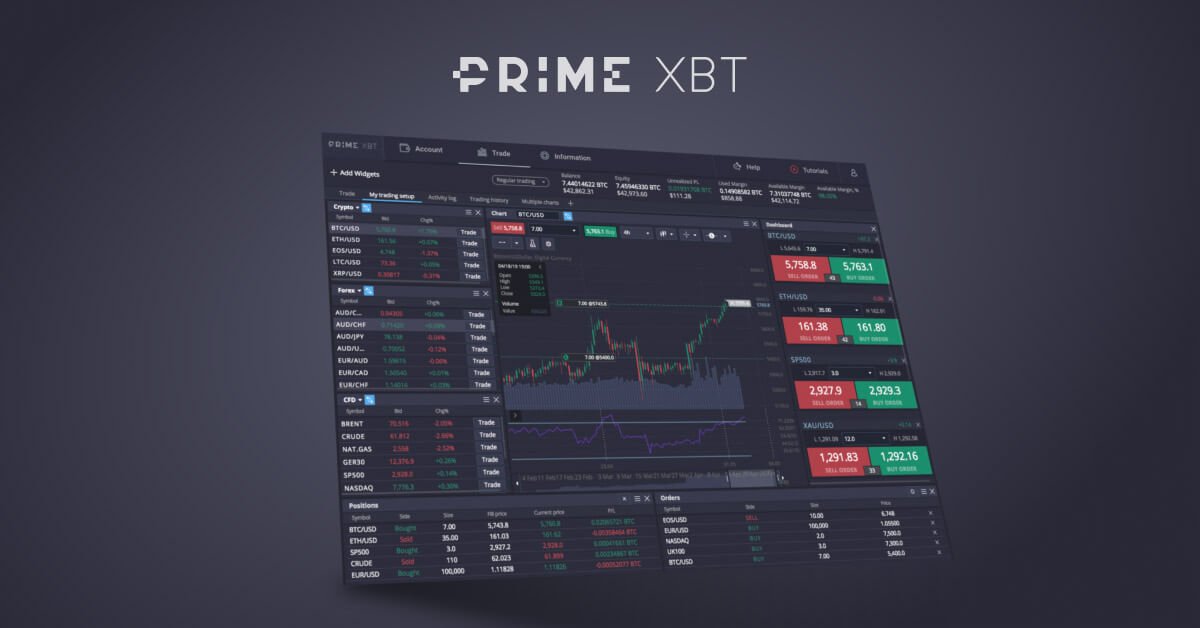
If you’re considering diving into the world of trading, there’s a lot to learn. From understanding market dynamics to mastering trading strategies, the journey can be overwhelming. Thankfully, many traders have asked the same questions over time. Here are some of the most frequently asked questions about trading, along with insightful answers. For more detailed inquiries, feel free to check out these Frequently Questions About Trading on PrimeXBT preguntas frecuentes PrimeXBT.
1. What is trading?
At its core, trading refers to the buying and selling of financial instruments like stocks, currencies, commodities, and cryptocurrencies. Traders aim to profit from these transactions, capitalizing on price fluctuations in various markets.
2. What are the different types of trading?
There are several types of trading strategies that individuals can adopt, including:
- Day Trading: Buying and selling securities within the same trading day.
- Swing Trading: Holding positions for several days or weeks to capitalize on expected future price movement.
- Position Trading: Long-term holding of assets for weeks, months, or even years.
- Scalping: Making small profits on numerous trades throughout the day.
3. How do I start trading?
To begin trading, follow these steps:
- Educate yourself on trading fundamentals.
- Choose a reliable broker or trading platform.
- Create and fund your trading account.
- Develop a solid trading plan and strategy.
- Start trading with a demo account before moving to live trading.
4. What is a trading strategy?
A trading strategy is a defined plan for buying and selling assets in the financial markets. It typically involves rules for entering and exiting trades, risk management protocols, and methods for analyzing market conditions. Effective strategies can vary widely, so it’s essential to develop one that suits your personal trading style and goals.
5. What is technical analysis?
Technical analysis is the study of past market data, primarily price and volume, to forecast future price movements. It involves analyzing charts and patterns to identify trends, support, resistance levels, and other indicators that may inform trading decisions.
6. What is fundamental analysis?
Fundamental analysis involves evaluating a company’s financial health, economic indicators, and other factors that could impact its stock price. Investors use this analysis to determine whether an asset is overvalued or undervalued, which can guide their trading decisions.
7. How much money do I need to start trading?
The amount of capital needed to start trading varies significantly based on your trading style and the market you choose. Some brokers allow you to start trading with as little as $100, while others may require a higher minimum deposit. It’s essential to start with an amount you can afford to lose and to use risk management strategies to protect your capital.
8. Is trading risky?
Yes, trading carries inherent risks, and it’s possible to lose all of your invested capital. Market conditions can be unpredictable, and even seasoned traders can face losses. However, effective risk management strategies, continuous education, and disciplined trading can help mitigate these risks.
9. What are trading commissions and spreads?
Trading commissions are fees charged by brokers for executing trades on your behalf. The spread is the difference between the buying and selling price of a financial instrument. Understanding these costs is crucial, as they can significantly affect your profitability.
10. How do I manage risk in trading?
Risk management is vital for any trading strategy. Here are some common techniques:
- Using Stop-Loss Orders: Setting predetermined levels at which you will exit a losing trade.
- Position Sizing: Determining how much of your capital to risk on each trade.
- Diversification: Spreading investments across various assets to minimize exposure to any single asset’s risk.
11. Can I trade cryptocurrencies?
Yes, trading cryptocurrencies has become increasingly popular due to their volatility and potential for significant returns. However, the crypto market can be highly unpredictable, so it’s essential to do thorough research and understand the risks involved.
12. What is leverage in trading?
Leverage allows traders to control a larger position with a smaller amount of capital. It’s a double-edged sword; while it can amplify profits, it can also increase losses. It’s crucial to understand how leverage works and to use it cautiously.
13. How can I improve my trading skills?
Improving your trading skills requires continuous education and practice. Here are some ways to enhance your trading abilities:
- Read books and articles on trading strategies.
- Watch educational videos and seminars.
- Participate in trading forums and communities.
- Keep a trading journal to review your trades and learn from mistakes.
14. Should I use automated trading systems?
Automated trading systems, or trading bots, can help in executing trades according to predefined criteria. While they can be beneficial for some traders, they come with their own risks, including technical failures and lack of adaptability to changing market conditions. Consider using them with caution and always monitor their performance.
15. Where can I find reliable trading resources?
There are numerous online resources available for traders, including educational websites, blogs, forums, and trading platforms with comprehensive learning sections. Choose resources that are reputable and updated regularly to ensure you are getting accurate and timely information.
Conclusion
Trading can be a rewarding venture, but it requires commitment, education, and a strategic approach. By understanding the frequently asked questions about trading, you can build a solid foundation to navigate the financial markets effectively. Remember, every successful trader started from the same point—ask questions, gain knowledge, and continuously strive to improve.
Leave a Reply